
AI Overview:
Diastasis recti is a common postpartum condition where the abdominal muscles separate during pregnancy. Physiotherapy helps strengthen the core, improve posture, support pelvic floor recovery, and restore abdominal function through safe, personalized exercises.
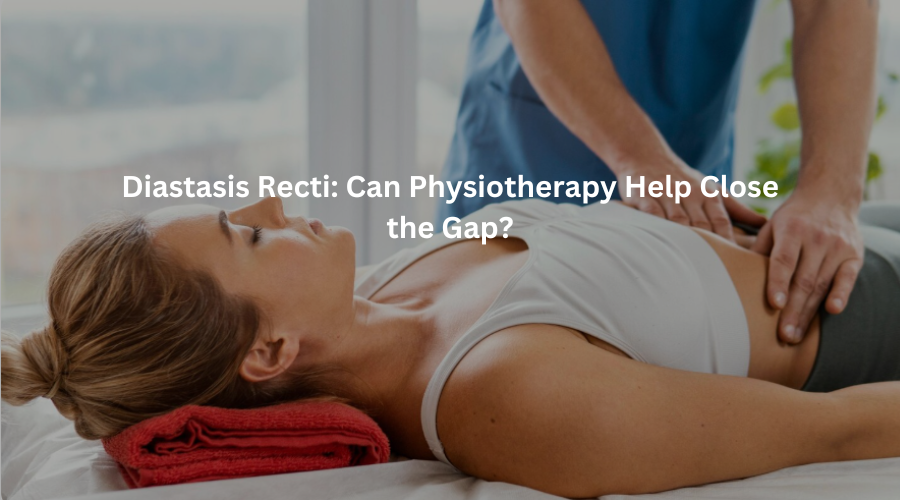
Diastasis Recti: Can Physiotherapy Help Close the Gap?
Wondering if you have a tummy gap after pregnancy? Learn what diastasis recti is, its symptoms, causes, and how physiotherapy can help strengthen your core and support postpartum recovery.
Introduction
After giving birth, many women notice that their abdomen still looks pregnant, even months after delivery. Others experience a feeling of weakness in their core, lower back pain, or difficulty returning to exercise.
One possible reason for these symptoms is diastasis recti, a common condition that affects many women during and after pregnancy.
Despite being common, there are many misconceptions surrounding diastasis recti. Social media often promotes quick fixes, waist trainers, or “gap-closing” exercises that promise fast results. In reality, recovery is far more complex than simply reducing the distance between the abdominal muscles.
The good news is that physiotherapy can play a significant role in improving core strength, abdominal function, posture, and overall recovery after pregnancy. While not every gap can be completely “closed,” appropriate rehabilitation can help restore function and improve quality of life.
In this article, we’ll explain what diastasis recti is, why it occurs, and how physiotherapy can help you recover safely.
What Is Diastasis Recti?
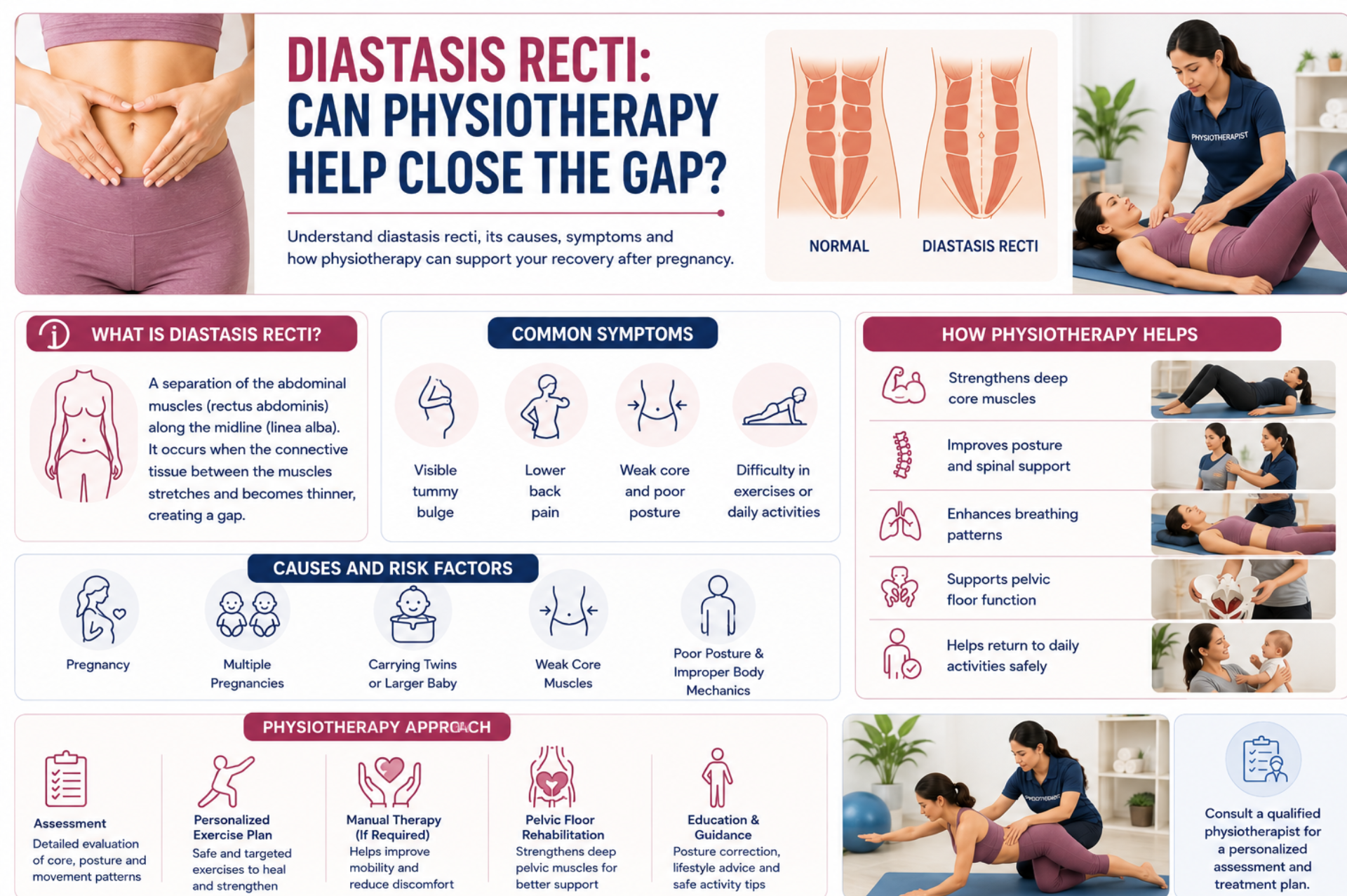
Diastasis recti, also known as diastasis rectus abdominis, is the separation of the two rectus abdominis muscles (commonly called the “six-pack” muscles) along the midline of the abdomen.
These muscles are connected by a band of connective tissue called the linea alba.
During pregnancy, the growing uterus stretches the abdominal wall to make room for the developing baby. As this happens, the connective tissue between the abdominal muscles may widen and become thinner, creating a gap between the muscles.
This separation is a normal adaptation during pregnancy and occurs in many women. In some cases, the abdominal wall gradually regains tension after childbirth, while in others, the separation and weakness may persist.
Importantly, diastasis recti is not the same as a hernia, although the two conditions can sometimes be confused. If you notice a painful lump or have concerns about a hernia, you should seek medical assessment.
Why Does Diastasis Recti Occur?
Diastasis recti develops when the connective tissue between the two abdominal muscles stretches and becomes thinner. Although this is a normal adaptation during pregnancy, certain factors can increase the likelihood of the separation becoming more noticeable or persisting after childbirth.
Understanding these causes can help women appreciate why recovery differs from person to person and why individualized rehabilitation is so important.
Pregnancy
Pregnancy is the most common cause of diastasis recti. As the baby grows, the uterus expands and gradually pushes against the abdominal wall. To accommodate this growth, the two rectus abdominis muscles naturally move apart, while the connective tissue between them, the linea alba stretches.
At the same time, pregnancy hormones such as relaxin and progesterone make the ligaments and connective tissues more flexible in preparation for childbirth. While these hormonal changes are essential for a healthy pregnancy and delivery, they also make the abdominal tissues more susceptible to stretching.
For many women, this separation is completely normal during pregnancy. However, after delivery, the tissues may not always regain their previous tension, leading to persistent abdominal weakness or a noticeable gap.
Multiple Pregnancies
Women who have experienced more than one pregnancy are generally at a higher risk of developing persistent diastasis recti.
With each pregnancy, the abdominal wall undergoes repeated stretching to accommodate the growing baby. Although the body has an incredible ability to heal, repeated stretching may reduce the elasticity and tension of the connective tissue over time.
This does not mean that every woman with multiple pregnancies will develop severe diastasis recti. However, recovery may require more focused rehabilitation to restore core strength and abdominal function.
Carrying Twins or a Larger Baby
Women expecting twins, triplets, or a larger-than-average baby often experience greater stretching of the abdominal wall because the uterus expands more than it would during a singleton pregnancy.
This increased pressure places additional strain on the linea alba, making abdominal separation more likely. The larger the stretch placed on the abdominal tissues, the more time and rehabilitation may be needed for the body to regain strength after childbirth.
Again, every pregnancy is different, and not all women carrying twins or larger babies will develop significant diastasis recti.
Weak Core Muscles
Although pregnancy is the primary cause, the condition of your core muscles before and after pregnancy can influence recovery.
The deep abdominal muscles, pelvic floor, diaphragm, and lower back muscles work together to provide stability for the spine and support the growing uterus. If these muscles are weak or not functioning efficiently, the abdominal wall may have less support during pregnancy and postpartum recovery.
After childbirth, rebuilding strength in these muscles is an important part of rehabilitation. A stronger and better-coordinated core helps improve abdominal support, posture, and functional movement, even if some separation remains.
Incorrect Exercise Techniques
Returning to exercise too quickly or performing exercises that place excessive pressure on the healing abdominal wall may delay recovery.
Activities such as traditional crunches, sit-ups, heavy lifting without proper core engagement, or high-impact exercises performed too soon after childbirth can increase intra-abdominal pressure. If the deep core muscles are not yet functioning effectively, this pressure may place additional stress on the healing connective tissue.
It’s important to understand that these exercises are not permanently harmful. The timing, technique, and progression matter. Under the guidance of a physiotherapist, most women can gradually return to these activities safely once their core strength and control have improved.
Genetics and Connective Tissue Quality
Some women may naturally have more elastic or less resilient connective tissue due to genetic factors. This can influence how much the linea alba stretches during pregnancy and how well it regains tension afterward.
While genetics cannot be changed, they do not determine the outcome on their own. Appropriate rehabilitation, strengthening exercises, and gradual return to activity can still lead to excellent improvements in function and quality of life.
Poor Pressure Management During Daily Activities
Many people think only exercise affects diastasis recti, but everyday activities also matter.
Repeatedly holding your breath while lifting, straining during bowel movements, lifting heavy objects incorrectly, or frequently coughing without adequate core support can increase pressure within the abdomen. Over time, these repeated stresses may slow recovery if the abdominal wall is still healing.
Learning how to breathe properly, engage the deep core muscles, and move efficiently during everyday tasks is an important part of postpartum physiotherapy and can help protect the healing tissues.
Common Signs and Symptoms
Not everyone with diastasis recti experiences symptoms, but some women notice changes in the way their body feels and functions..
A Visible Gap in the Abdomen
The most noticeable sign is a separation or soft gap along the midline of the abdomen, particularly when lifting the head while lying on the back.
Some women also notice a ridge or dome-shaped bulge appearing during certain movements.
Persistent “Pregnant” Appearance
Even after losing pregnancy weight, the abdomen may continue to protrude because the abdominal wall is unable to provide adequate support.
It’s important to remember that this appearance is not simply due to excess fat, it may be related to reduced abdominal tension.
Core Weakness
Many women describe feeling that their abdomen lacks strength or stability.
Simple activities such as getting out of bed, lifting the baby, carrying groceries, or standing for long periods may feel more difficult than expected.
Lower Back Pain
The abdominal muscles work together with the back and pelvic floor muscles to stabilize the spine.
When the core is weakened, additional strain may be placed on the lower back, contributing to discomfort during daily activities.
Poor Posture
Reduced core support may lead to postural changes, making it more difficult to maintain an upright position comfortably.
Can Diastasis Recti Heal on Its Own?
Some improvement often occurs naturally during the first few months after childbirth as the body heals. However, recovery varies considerably between individuals. For some women, the gap becomes smaller over time, while others continue to experience weakness or reduced abdominal function months after delivery.
Research suggests that the quality and strength of the connective tissue, along with overall core function, are often more important than the width of the gap alone. This is why rehabilitation focuses on restoring function rather than simply measuring separation.
How Is Diastasis Recti Diagnosed?
A physiotherapist or healthcare professional can assess:
- The width of the separation.
- The depth and tension of the connective tissue.
- Core muscle activation.
- Breathing patterns.
- Pelvic floor function.
- Posture and movement.
- Functional strength during daily activities.
A comprehensive assessment helps determine whether the separation is contributing to your symptoms and guides an individualized rehabilitation plan.
How Physiotherapy Can Help
Physiotherapy is considered one of the most effective conservative approaches for managing diastasis recti. Rather than focusing only on “closing the gap,” rehabilitation aims to improve abdominal function, restore core strength, and help women return to daily activities safely and confidently.
Individual Assessment
Every woman’s pregnancy, delivery, body, and recovery are different. Before prescribing exercises, a physiotherapist performs a detailed assessment of the abdominal wall, core muscle activation, breathing mechanics, pelvic floor function, posture, and movement patterns.
This individualized assessment helps identify the factors contributing to weakness and ensures that rehabilitation is tailored specifically to your needs rather than relying on generic postpartum exercise programs.
Core Rehabilitation
One of the primary goals of physiotherapy is to retrain the deep core muscles that support the spine and abdomen.
Exercises begin with gentle activation of the deep abdominal muscles and gradually progress as strength improves. Rather than performing high-intensity abdominal workouts immediately, rehabilitation focuses on restoring control, endurance, and coordination.
Over time, these exercises improve core stability, making everyday tasks such as lifting your baby, carrying groceries, or getting up from the floor feel easier and more comfortable.
Pelvic Floor Rehabilitation
The abdominal muscles and pelvic floor work as part of the same support system.
Many women with diastasis recti also experience pelvic floor weakness after pregnancy. Physiotherapy addresses both areas together, helping improve overall core function, bladder control, and support for the spine and pelvic organs.
This integrated approach often leads to better long-term outcomes than focusing on the abdomen alone.
Breathing Retraining
Breathing plays a surprisingly important role in core stability.
Many new mothers unknowingly develop breathing patterns that increase pressure inside the abdomen, placing additional stress on the healing connective tissue.
Physiotherapists teach diaphragmatic breathing techniques that work together with the core and pelvic floor muscles, helping improve stability while reducing unnecessary strain during movement.
Functional Movement Training
Recovery isn’t just about exercising on a mat.
Physiotherapists teach safe movement strategies for everyday activities, including getting out of bed, lifting your baby, pushing a stroller, carrying shopping bags, and returning to work or exercise.
Learning how to manage pressure through the abdomen during these activities helps protect healing tissues while improving confidence and independence.
Safe Return to Exercise
Many women are eager to return to running, strength training, yoga, or high-intensity workouts after childbirth.
A physiotherapist provides a gradual, structured progression based on your recovery rather than an arbitrary timeline.
This approach reduces the risk of overloading the abdominal wall and helps ensure that your body is ready for higher-impact activities.
Exercises to Avoid Initially
During the early stages of recovery, some exercises may place excessive pressure on the healing abdominal wall.
Depending on your individual assessment, your physiotherapist may recommend temporarily modifying activities such as:
- Traditional sit-ups and crunches.
- Aggressive twisting exercises.
- Heavy lifting without proper core control.
- High-impact jumping exercises.
- Advanced planks before adequate core strength has been restored.
This does not mean these exercises are permanently prohibited. Many women can safely return to them with appropriate progression and guidance.
Common Myths About Diastasis Recti
“Every Abdominal Gap Needs Surgery”
Most women do not require surgery. Many experience meaningful improvements through physiotherapy, progressive strengthening, and time.
“Doing Hundreds of Crunches Will Close the Gap”
More repetitions do not necessarily lead to better recovery. Performing inappropriate exercises too early may increase pressure on the abdominal wall without improving function.
“Waist Trainers Can Fix Diastasis Recti”
There is limited evidence that waist trainers or abdominal binders alone repair diastasis recti. While some women find them comfortable for temporary support, they do not replace an individualized rehabilitation program.
“If My Gap Doesn’t Completely Close, I’ve Failed”
Recovery is about much more than the size of the gap. Many women regain excellent strength, function, and confidence even if some separation remains.
Conclusion
Diastasis recti is a common part of pregnancy and postpartum recovery, but it doesn’t have to limit your strength or confidence. While many women naturally experience some abdominal separation, persistent symptoms deserve proper assessment and individualized care.
Physiotherapy offers an evidence-based approach to restoring core function, improving posture, supporting the pelvic floor, and helping you return to everyday life and exercise safely.
For persistent symptoms, consult an experienced physiotherapist in Delhi. A personalized physiotherapy for diastasis recti program can help restore core strength and support a safe postpartum recovery.
Frequently Asked Questions
1Q. How long does it take for diastasis recti to improve?
Recovery varies from person to person. Many women notice improvement over several months with consistent rehabilitation, while others may take longer depending on the severity of the separation and other factors.
2Q. Can I exercise if I have diastasis recti?
Yes. Exercise is encouraged, but it should be appropriate for your stage of recovery. A physiotherapist can help you choose exercises that strengthen your core without placing excessive pressure on the abdominal wall.
3Q. Do all women with diastasis recti need surgery?
No. Surgery is generally reserved for selected cases after thorough medical evaluation. Many women improve with conservative management, including physiotherapy.
4Q. Can diastasis recti occur after a Caesarean section?
Yes. The condition develops primarily due to pregnancy rather than the method of delivery, so it can occur after both vaginal births and Caesarean sections.